How Seasonal Fashion Trends Influence Style
Modern fashion tends to adapt to the changing seasons, introducing unique and innovative trends to clothing collections of the season. Seasonal fashion trends are determined by climatic conditions and the need for comfort. The fashion industry introduces different types of clothing that can bring comfort into daily wear.
Seasonal fashion trends offer individuals an insight into what clothes they can choose to build a seasonal wardrobe.
“Fashion is the art of adapting style to every season.”
It is possible to refresh a seasonal wardrobe using fashionable clothes.
Lightweight Fabrics Becoming Essential in Warm Seasons
Warm weather requires the usage of clothing made of lightweight fabrics. Individuals should pay more attention to fabrics that are breathable and comfortable. Designers introduce various clothes for warm seasons focusing on materials that facilitate movement and provide flexibility.
Some popular options of lightweight fabrics for warm seasons include:
- Linen shirts
- Cotton dresses
- Lightweight denim
- Knitwear
With lightweight fabrics, individuals can make their outfits more comfortable.
Layering Techniques Shaping Fashion in Cooler Months
When temperatures decrease, layering becomes a popular and functional styling technique. Layering allows combining several clothing pieces into one outfit, making it look sophisticated and unique. With layering, individuals can easily adapt their wardrobes based on different weather conditions.
Some examples of layering include:
- Layering sweater over collared shirts
- Using puffer jackets inside of coats
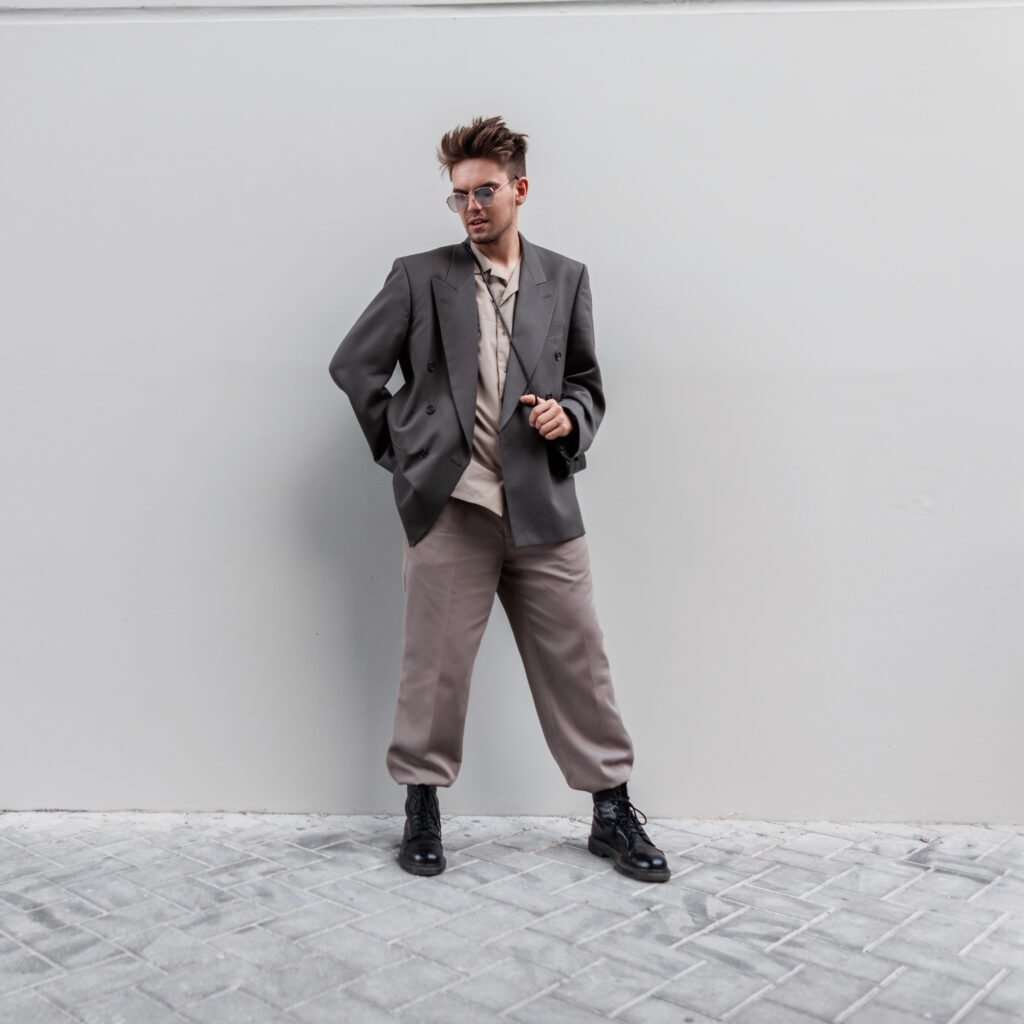
- Layering hoodies with overcoats
Layering offers the chance to get warmth in cold months and stylish looks.
Seasonal Colors Influencing Fashion
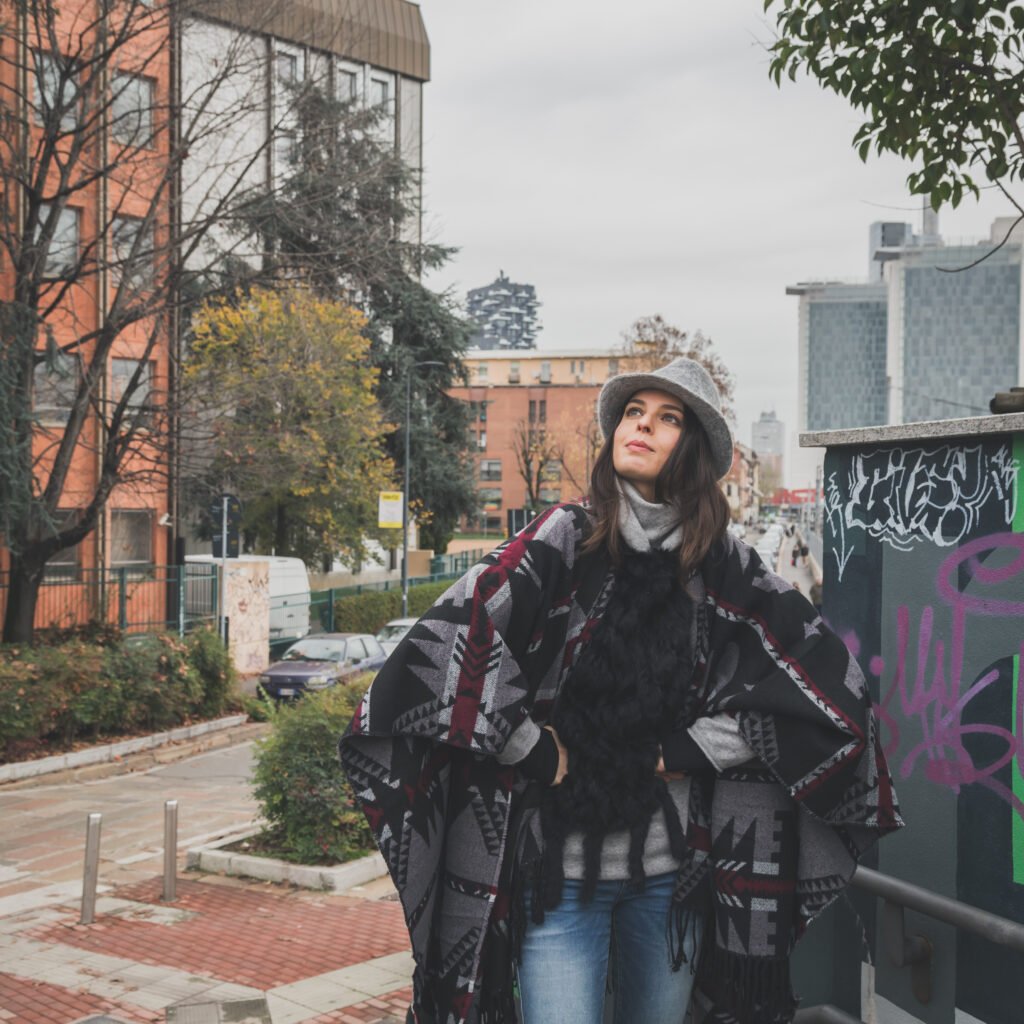
Colors tend to depend on the time of the year. They are influenced by nature and culture of the region. Color palettes differ based on each season and determine the main trends in fashion and clothing design. Fashion designers choose particular colors for their clothes depending on seasons.
Some popular seasonal colors include:
- Pastel shades for spring and summer
- Bright colors in tropical hues
- Brown and orange in autumn
- Dark colors like blue and grey in winter
Colors add sophistication and luxury to modern fashion.
Outerwear Becoming a Key Factor in Cool Seasons
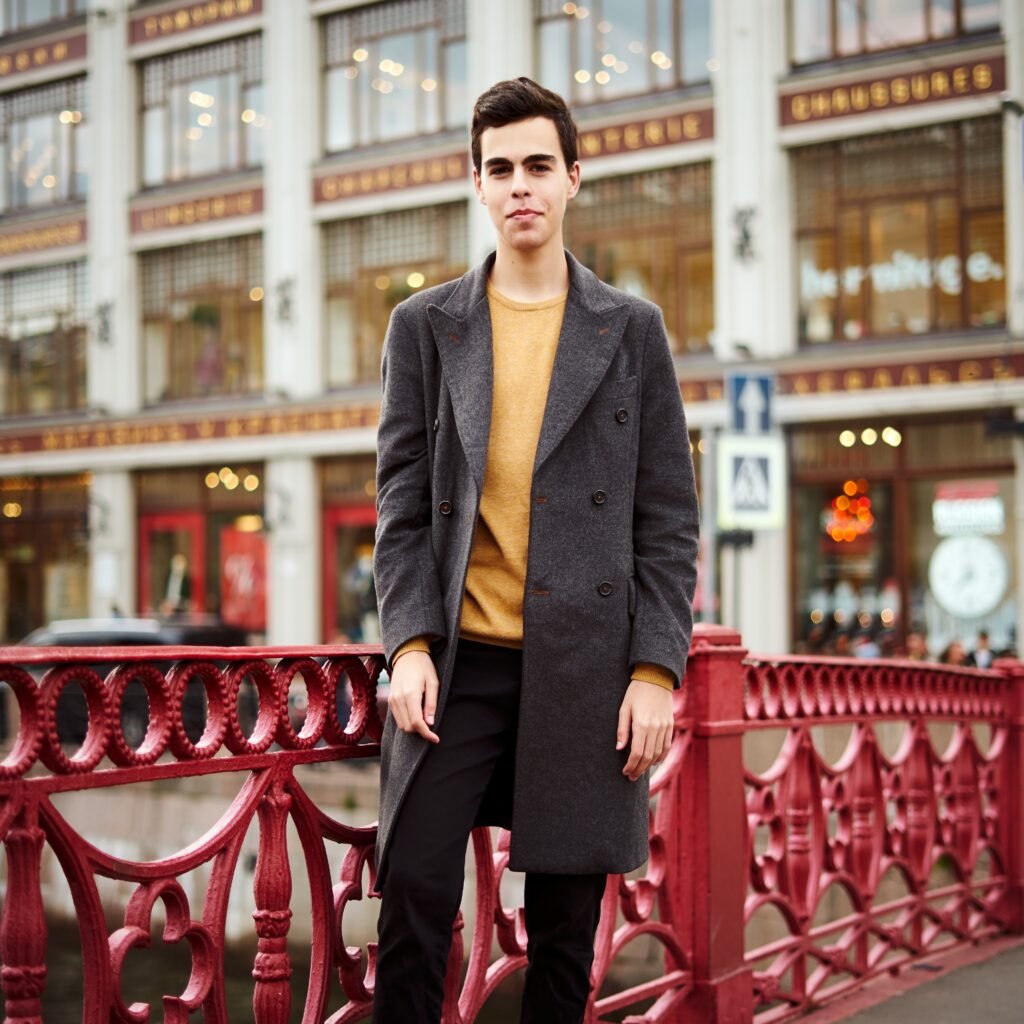
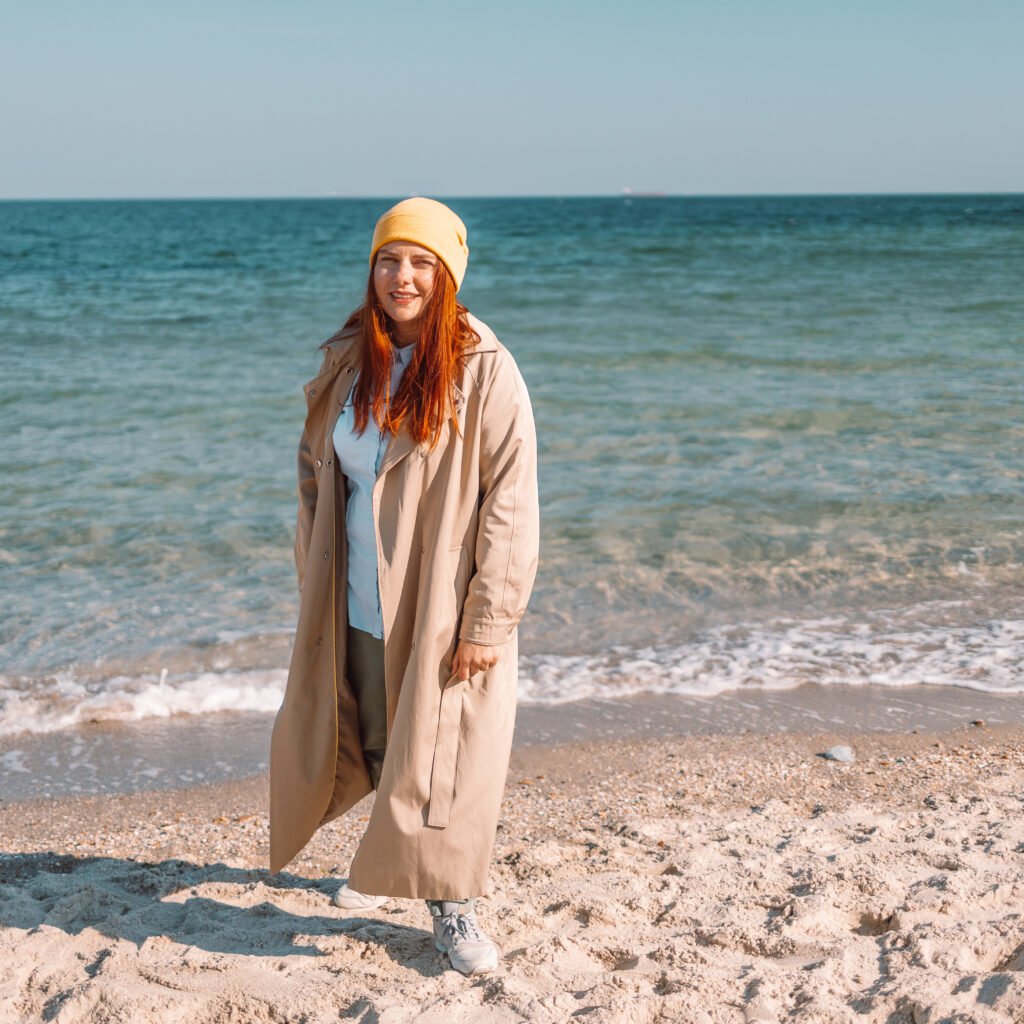
With a cool climate, jackets and coats become necessary items that define an outfit completely. Fashion designers pay close attention to designing trendy outerwear pieces that will be suitable for the season.
Some popular styles of outerwear include:
- Trench coats
- Puffer jackets
- Wool overcoats
- Cropped leather jackets
“A stylish coat can transform even the simplest outfit.”
Outerwear helps create sophisticated styles in cold seasons.
Accessories for Warm and Cold Seasons
In addition to outerwear, accessories become important in different seasons depending on the needs of the individual. Modern fashion suggests choosing certain accessories that are suitable for the current season to create sophisticated styles.
Accessories used in modern fashion include:
- Sunglasses and straw hats for summer
- Scarves and knit hats for winter
- Crossbody bags
- Statement belts.
Using accessories, individuals can add sophistication and uniqueness to their outfits.
Footwear Becoming Trendy Depending on Climate
The type of footwear differs in different seasons depending on weather conditions. In warm seasons, individuals prefer light footwear, while in colder months, they wear heavy shoes. Modern fashion offers a range of footwear pieces that help individuals feel comfortable in any season.
Footwear suggested by fashion trends in different seasons include:
- Sneakers for spring and summer
- Sandals for summer months
- Ankle boots for autumn
- Leather boots for winter.
Footwear helps create stylish looks and provides comfort.
Conclusion
Seasonal fashion trends help keep fashion modern and stylish at any time of the year. Fashion tends to depend on the climate condition and seasonal requirements. By adapting fabrics, color schemes, and styling techniques to the current season, individuals can create sophisticated looks.
Some key aspects of seasonal fashion trends are:
- Lightweight fabrics in warm seasons
- Layering in cool seasons
- Seasonal colors
- Statement outerwear
- Accessories
- Footwear.